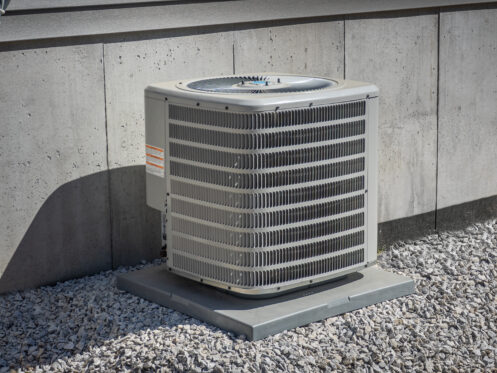
Short cycling is one of the most disruptive problems an HVAC system can experience. However, many homeowners in Gilbert, AZ, do not recognize it as a severe issue. Instead of running in steady, efficient cycles, the system repeatedly turns on and off within short periods. This uneven operation can cause temperatures that swing between too warm and too cold. This behavior also leads to higher energy bills.
Beyond comfort issues, short cycling places extra strain on system components. Frequent startups and shutdowns increase wear on components such as compressors and motors. Over time, short cycling can shorten the overall lifespan of your HVAC equipment if the underlying cause is not addressed. At A/C & Plumbing Doctors, we help homeowners identify the causes of their HVAC system’s short cycling. We then take practical steps to restore consistent performance and avoid more expensive repairs down the road.
Thermostat Issues
Your thermostat plays a small but critical role in how your HVAC system operates. If it is in the wrong place or its sensors malfunction, it can misread the room’s temperature. This can cause your system to turn on and off erratically. Common placement problems include exposure to direct sunlight and proximity to heat sources like ovens or vents. It may also be mounted on an interior wall that doesn’t reflect typical living conditions.
Older thermostats can become less accurate over time, making it harder for the system to maintain steady performance. When it misreads the temperature, it may trigger frequent start-stop cycles.
Dirty Air Filter
Your air filter protects your HVAC system from dirt and debris. When it becomes clogged, airflow drops significantly. This forces the system to work harder to move air through the ductwork. The extra strain can cause your unit to overheat, and some systems may automatically shut off to prevent damage. They then restart shortly after they cool, creating repeated on-off cycles.
Persistent airflow restrictions from a dirty filter can lead to frequent short cycling at various times of day. In addition to affecting comfort and efficiency, a clogged filter reduces indoor air quality.
Oversized HVAC System
An HVAC system that is too large for your home can create more problems than it solves. Instead of running in steady cycles, it heats or cools rooms so quickly that it shuts off within minutes, only to restart soon after.
Frequent start-stop cycles put extra strain on critical components such as compressors and blowers. Over time, this repeated stress can shorten your system’s lifespan and increase maintenance costs.
Frozen Evaporator Coils
Evaporator coils can freeze for several reasons, including restricted airflow from dirty filters or blocked return vents. Low refrigerant from a leak can also cause evaporator coils to freeze. Ice buildup blocks air movement, preventing the unit from effectively cooling the home. As a result, the system may shut down sooner than normal, then restart once conditions temporarily improve. This creates repeated on-off cycles that mimic short cycling.
Persistent freezing is a sign of underlying issues with the HVAC system. Ensuring proper airflow, maintaining refrigerant levels, and addressing system faults promptly can help prevent coil freezing.
Electrical Problems
Abnormal behavior in HVAC systems sometimes traces back to an unstable electrical supply. A poorly secured wire, corrosion on contact points, or worn internal elements might disrupt the steady current. Momentary lapses can prompt sudden shutdowns followed by automatic reboots. At first, signs tend to be subtle, easily missed during routine observation. Left unchecked, minor glitches frequently grow more severe.
Clogged or Blocked Vents
Obstructions such as furniture, drapes, or debris inside ducts can restrict airflow through your HVAC system. Like a dirty air filter, any blockage at the supply or return vents forces your system to work harder. Your heating or cooling system overheats and shuts down temporarily. Once the system cools and restarts, the same airflow restriction remains, creating a loop of short, repeated cycles. Maintaining at least three feet of clearance around return and supply vents may solve this issue.
Aging or Failing Compressor
As a cooling system ages, the compressor, the component responsible for moving refrigerant, can lose efficiency due to wear and tear. When this happens, the system struggles to maintain steady operation, and irregular on-off patterns may appear. Unusual noises and uneven temperatures can accompany these cycles.
If left unaddressed, recurring compressor issues can lead to more serious system failures, costly repairs, and reduced overall lifespan. Regular maintenance and attention to unusual sounds or performance changes can help prevent compressor problems from escalating.
Improper System Installation
A wrong start during setup often undermines an HVAC system’s reliability. When installations stray from the manufacturer’s guidelines, trouble tends to surface early. Sizing errors, airflow issues, or faulty wiring can trigger frequent on-off loops.
How to Fix HVAC Short Cycling
Short cycling can have multiple causes, so the right solution depends on what is happening inside your system. Our technicians perform a professional inspection to identify the source and restore steady operation. Common steps we take to correct short cycling include:
- Thermostat assessment
- Airflow check
- System sizing evaluation
- Refrigerant inspection
- Evaporator coil inspection
- Electrical component testing
- Ductwork and vent inspection
We start with the thermostat, verifying that it accurately reads room temperature. Cleaning the unit or relocating it may solve the problem. However, in many cases, a replacement is necessary. A new thermostat will help your system complete full cycles without unnecessary starts and stops.
Next, we inspect airflow. Clearing blockages helps the system move air efficiently, preventing overheating and supporting steady operation.
We also evaluate whether your HVAC system is properly sized for your home. Oversized units tend to cycle on and off rapidly. Adjusting system controls or recommending other appropriate solutions helps maintain consistent indoor temperatures.
We also check refrigerant levels in cooling systems to ensure the system can cool effectively. If necessary, we repair leaks and recharge your system. If the short cycling issue is not due to a refrigerant issue, we will clean the coils and fins on your outdoor condenser. This can often resolve overheating and airflow issues. We also test electrical components, tighten loose connections, and replace contactors if necessary.
We can also examine ductwork and vents to ensure proper airflow throughout your home. Clearing blockages stabilizes circulation and supports consistent heating and cooling cycles.
Finally, we turn your heating or cooling on to ensure the system is cycling normally. Before leaving, we will make final adjustments to ensure maximum efficiency.
Contact Your Local HVAC Professionals
At A/C & Plumbing Doctors, we have served the residents of Gilbert, AZ and the surrounding areas since 2008. We install, maintain, and repair heating and cooling systems. As a local business, we focus on building long-term customer relationships. This means you can expect quality work at affordable prices.
If you are dealing with short cycling in your Gilbert, AZ home, contact A/C & Plumbing Doctors for a solution that addresses the root cause of the problem.