There are several tips and habits that you can use to achieve a more eco-friendly lifestyle. By using less energy and minimizing your home’s carbon footprint, you lend a hand to Mother Nature in several ways. Just take weatherstripping your doors and windows, for example. This lowers the amount of heating and cooling that the home uses, so there isn’t as much energy waste. Doing this consistently is just one way to conserve. Here are 13 other tips you can use to live a more sustainable lifestyle.
1. Schedule Regular HVAC Maintenance
All HVAC systems need annual maintenance from a professional. Our technicians will check your entire setup as we clean it to ensure it works correctly and efficiently. If we spot any signs of damage or wear, we’ll replace the component so your system keeps running smoothly. Doing this prevents small issues from turning into costly repairs and breakdowns. Most importantly, it helps the HVAC use less energy, which contributes to a more eco-friendly lifestyle and reduced environmental impact.
2. Replace Air Filters Monthly or as Recommended
A dirty air filter causes restricted airflow that can lead to pressure imbalances and hot or cold spots. Checking this essential part once a month is the best way to know when you need to do a replacement. If you use a ductless AC, you’ll need to change the filter every two weeks. Clean filters promote better air quality by removing dust and allergens, while also saving energy so your system doesn’t have to overwork.
3. Upgrade to a High-Efficiency HVAC System
Older HVAC systems don’t use advanced technology and smart controls like today’s models. Because of this, they don’t operate nearly as efficiently as modern systems. Upgrading your HVAC with a setup that has a high energy efficiency rating is an excellent way to lower your utility bills and reduce your environmental impact. Make sure to look for units with an ENERGY STAR® label since these meet strict energy-saving standards.
4. Seal Leaky Ductwork to Prevent Air Loss
Experts say duct leaks can lose up to 30% of heated or cooled air through holes or loose connections. This makes the home much harder and more expensive to heat and cool. It also causes the HVAC parts to wear out faster, leading to more frequent repairs and replacements. Our team can seal duct leaks using mastic or metal tape to keep the conditioned air inside where it belongs. The home will become much more energy efficient, which greatly improves sustainability and supports a more eco-friendly lifestyle.
5. Be Smart With Thermostat Settings
Setting the temperature just a couple of degrees higher or lower than you normally would can make a big difference in energy use. The U.S. Department of Energy says for every one degree you adjust the thermostat, you can save up to three percent on your energy costs. This type of adjustment also helps the HVAC last longer by reducing system strain and wear. Plus, by using less energy, you reduce the demand on power plants and cut down on pollution and waste.
6. Install a Smart Thermostat
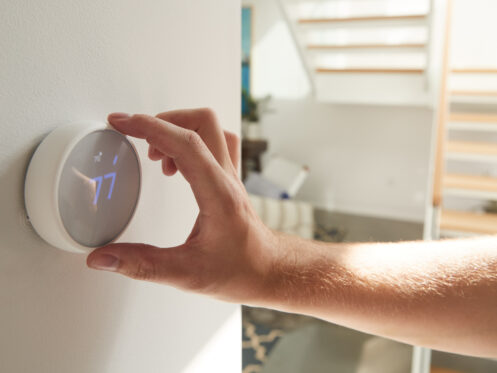
If your home has internet access, we highly recommend installing a smart thermostat. This type can learn your heating and cooling preferences and make automatic adjustments to save energy. With remote access, it becomes possible to change settings using your smartphone from any location. Enhanced convenience like this goes a long way in reducing energy waste since you have greater control over your home’s temperature.
7. Use Zoning Systems for Targeted Temperature Control
Adding HVAC zoning gives you even more control over keeping your home comfortable and energy-efficient. With dampers and thermostats set up to deliver airflow to different areas, you can have separate zones at different temperatures. This type of climate control works wonders for families who have varying comfort needs or homes with multiple floors. The reduced load on the HVAC achieved by this setup is one of the smartest ways to lower energy use and limit unnecessary strain on natural resources.
8. Improve Home Insulation to Reduce Energy Demand
Homes that lack proper insulation often struggle to have steady indoor temperatures. By adding extra insulation to the walls, attics and crawlspaces, you can keep warm or cool air inside where it belongs. And the HVAC won’t have to operate as much or use as much energy.
9. Keep Vents and Registers Clear of Obstructions
At least once a month, you should do a walkthrough of your home to clean and check the air vents. Dirty or blocked vents cause problems like uneven temperatures and reduced airflow. Removing all furniture, curtains and clutter to ensure they stay open is vital to making sure air circulates properly. The enhanced airflow and reduced strain on the HVAC will help lower energy use and minimize environmental impact.
10. Use Ceiling Fans to Supplement Heating and Cooling
You should consider ceiling fans as your best friend for living a more eco-friendly lifestyle. In the summer, the blades should rotate counterclockwise to create a wind-chill effect so you don’t have to lower the thermostat. In the winter, you’ll want to reverse them to rotate clockwise; this blade rotation helps push warm air down so the heater doesn’t have to kick on as much.
11. Install Energy-Efficient Windows and Doors
Outdated doors and windows are major causes of air loss through cracks and poor seals. The frames, over time, usually warp, which further increases the risk of drafts. By upgrading the home with new, energy-efficient doors and windows, you make it much easier to maintain consistent indoor temperatures. Make sure to install ones with special coatings or gas layers to block heat transfer. This allows your HVAC to deliver better results with less effort.
12. Schedule a Professional Home Energy Audit
A home energy audit is an effective way to spot the hidden inefficiencies in your house. Experts will use tools like thermal cameras and blower doors to inspect insulation and check for air leaks. After the audit is complete, you’ll receive a detailed report outlining the problem areas and your energy usage patterns. You’ll also get a list of recommendations you can follow to reduce waste, lower energy bills and make your home more efficient.
13. Shade Your Outdoor AC Unit for Better Performance
Make sure the outdoor part of your HVAC doesn’t sit in a place with direct sunlight. The heat and UV rays from the sun damage components when exposed for long periods. Two ways to shade the outdoor part include planting shrubs nearby or installing a small awning over the unit. Just make sure the system has at least two feet of clearance so air can flow freely around it.
A/C & Plumbing Doctors provides smart solutions that support greener living. From HVAC repairs to annual maintenance plans, we’ve got you covered.
Call A/C & Plumbing Doctors now to schedule premium HVAC services in Gilbert, AZ.