
The beautiful weather in Gilbert, AZ is one of the reasons people flock to the area. Yet when the monsoon season hits, the weather can change instantly. Sudden, heavy downpours can quickly overwhelm an area, and residents in low-lying spots know flooding can occur. A sump pump is an essential piece of equipment to protect your property from significant water damage.
Unfortunately, many homeowners learn about the benefits of a sump pump only after a flooding event. That’s a hard lesson to learn. The best time to learn how a sump pump works is before you experience flooding from a major storm. Whether you’ve recently moved here or have lived in the area for many years, understanding how a sump pump works is the first step toward peace of mind during Arizona’s rainy season.
What Is a Sump Pump?
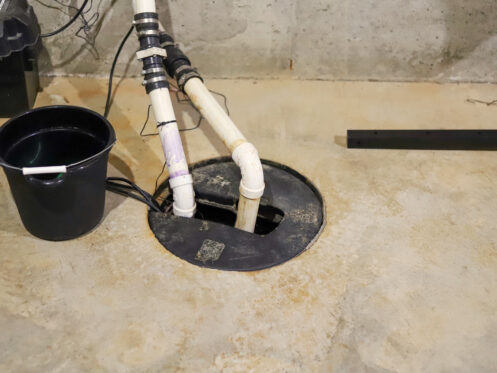
A sump pump is a device used to remove water that has accumulated in a water-collecting sump basin or pit. This basin is typically installed in the lowest part of a home, such as a basement or crawl space. The pump’s sole purpose is flood prevention. It detects rising water levels and automatically ejects the water away from your house’s structural perimeter into a drainage area, such as a storm drain or dry well. In some cases, it simply redirects the water to another area of the yard.
While sump pumps might be associated with colder, wetter climates, they are an absolute necessity in southern Arizona. Our region features hard, often non-porous desert soil that can’t absorb water quickly. This is especially true during the monsoon season (typically mid-June to September), when intense, localized thunderstorms drop massive amounts of rain in a short time.
After a heavy rainfall, water quickly pools near the base of a house, potentially causing flooding or structural deterioration. Many newer homes in our region also have deeper underground spaces that are vulnerable to groundwater, making a reliable sump pump an essential component of a property’s defense system.
Understanding the Main Types of Sump Pumps
The two most common types of sump pumps for the home are the submersible pump and the pedestal pump.
Submersible Sump Pumps
A submersible pump is designed to sit entirely underwater within the sump pit. This design works well in properties that experience frequent, heavy water volume from rainstorms.
The motor and pump are housed in a single, waterproof unit. Submersible pumps offer the advantages of running quieter (because the surrounding water dampens the sound) and taking up less space in the basin. They also stay cooler since they’re submerged, which can prolong the life of the motor. These pumps are ideal for basements where noise reduction is a priority.
Pedestal Sump Pumps
As its name suggests, a pedestal pump is not submerged. Instead, its motor is mounted on a pedestal above the sump pit, with a hose and impeller extending down into the water. Only the impeller and the bottom of the pump are submerged.
Typically, these pumps are less expensive and easier to access for maintenance. Since the motor is not in the water, it generally has a longer operating life and can be repaired without draining the pit. Pedestal sump pumps are often installed in narrow or small sump pits. They are well suited to houses that experience light to moderate water accumulation.
How a Sump Pump Works
The operation of a sump pump is straightforward and incredibly effective. It relies on a few key components working together to keep your basement or crawl space dry.
The Sump Pit
Every sump pump installation starts with the sump pit. The pit, a large hole typically around 2 feet deep and 18 inches wide, is dug into the floor of your home’s lowest level. Water from under your structural base or perimeter drainage system (like a French drain) is channeled into this pit, which acts as the central collection point for all unwanted water. If your home doesn’t have a sump pump rough-in, you’ll need to have the necessary excavation work done.
The Float Switch
The automatic function of the pump depends on the float switch. As groundwater or rainwater seeps into the sump pit, the water level begins to rise. A float, similar to the one in a toilet tank, lifts with the rising water. When the water reaches a predetermined level, the float switch activates the pump’s motor. That’s when the pump turns on.
The Impeller and Discharge Pipe
Once the motor begins running, the impeller, a spinning fan-like component, forces the water into the discharge pipe. The discharge pipe is the line leading from the pump out of your house. It pushes the water up and away from your property, ensuring it drains to a safe area and preventing it from recirculating back into the ground.
The Check Valve
The check valve is installed on the discharge pipe. It ensures that once the water is pumped out, it cannot flow backward down the pipe and re-enter the sump pit after the pump turns off. This prevents the pump from cycling on and off unnecessarily, saving wear and tear on the motor.
Why Your Home Needs a Sump Pump
Living in a desert community doesn’t make us immune to flooding. In fact, we are particularly susceptible during specific times of the year.
The monsoon season brings intense, localized thunderstorms that challenge even the best drainage systems. With the clay-heavy, hard-packed desert soil, the volume of rainfall, and the inherent risk of flash flooding, a sump pump acts as your home’s ultimate defense against water intrusion and preserves your property’s structural integrity.
We do not advise attempting complex repairs or installations yourself. Sump pump systems involve both plumbing and electrical components, and for safety and effectiveness, you need to rely on professionals. Our team at A/C & Plumbing Doctors specializes in ensuring your system is prepared for the worst.
To keep your sump pump reliable, we recommend the following maintenance services:
- Testing the float switch and check valve
- Cleaning the sump pit and removing any debris that could clog the pump or impeller
- Inspecting the discharge pipe for blockages or leaks
- Checking the pump for proper electrical connection and operation
Take Action Now
Don’t wait until severe weather causes heavy rainfall to flood your basement or lowest level. Rely on our professionals who have decades of experience with residential plumbing. Our team of plumbers can help you with sump pump installation, repair, and maintenance. We also offer a full range of other services, including drain cleaning and water heater repair and installation.
Contact A/C & Plumbing Doctors today for more information!